The Cistern
Since the dawn of early cultures people have not only used natural water resources but also improved them by artificial methods. Based on observations of nature they constructed small and large storage vessels for temporary storage and transfer of water.
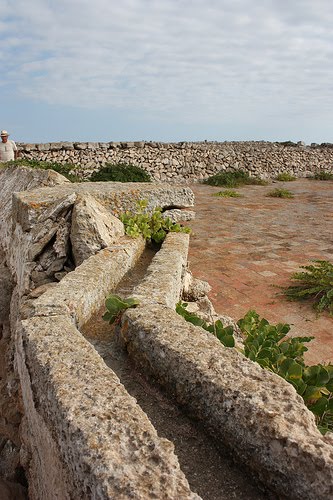
Cisterns were originally constructed in the region around the Mediterranean since the 3rd millennium B.C. Typically early cisterns were shaped into the natural rock with an inlet being covered by stones or wooden plates. In Roman times the use of stone as structural building material was introduced to cistern design. To avoid seepage and water loss the joints were filled with plaster. Population numbers of entire regions were dictated by the local cistern storage capacity. Modern cisterns range in capacity from a few litres to thousands of cubic metres, effectively forming covered reservoirs.Umayyad Cistern, Jordan.


Vaulted Roman cisterns

Cistern chambers on the La Fourvière hill in Lyon (France)

Cistern Prachinburi Province, Thailand

Cistern, Iran.

Sketch of Nabataean cistern in Auara, Jordan. Built for private use by individual families. Storage capacity 200 m3.

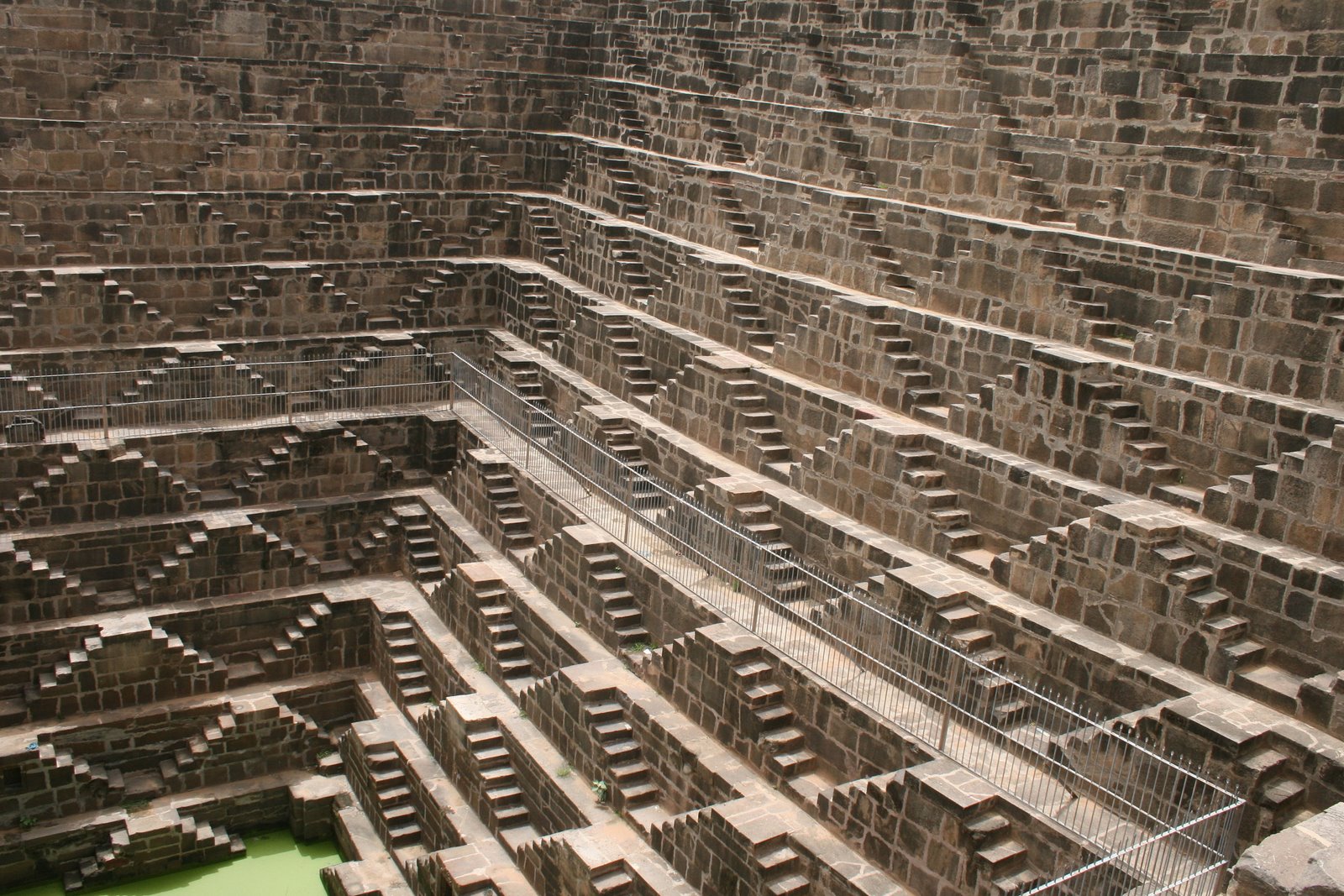
Chandra Baori step well
This step well is located opposite Harshat Mata Temple and is one of the deepest and largest step wells in India. It was built in the 9th century and has 3500 narrow steps in 13 stories and is 100 feet deep.